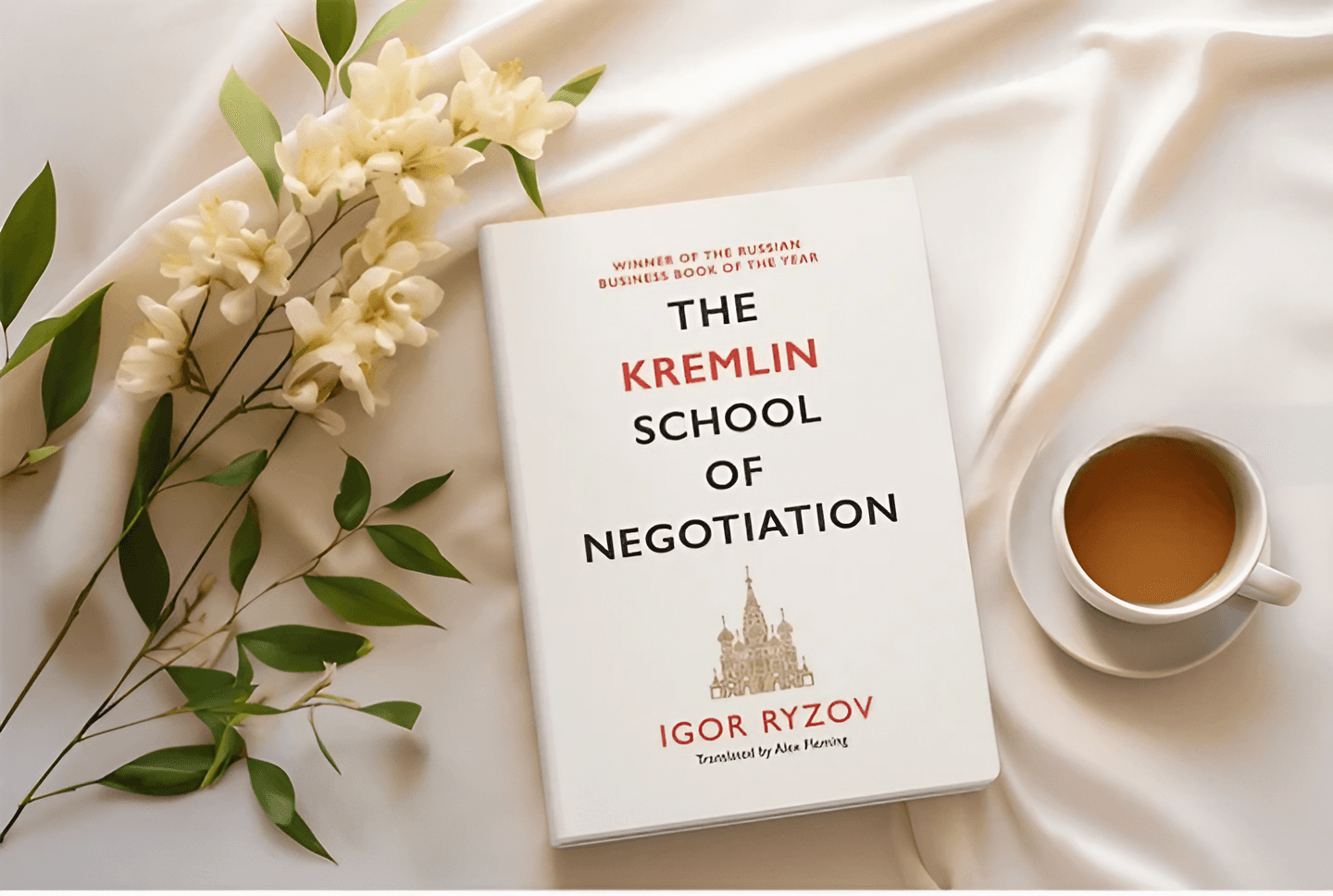
The kremlin school of negotiation summary
Chapter 1
Chapter 2
Chapter 3
Chapter 4
Chapter 5
Chapter 6
Chapter 7
CHAPTER 1 SUMMARY
IDENTIFYING YOUR NEGOTIATION OPPONENT’S GOALS AND MOTIVES
Basically the essence of this chapter is that negotiation is more like a long journey than a short duel to determine winners and losers. If we become too fixated on the idea of winning or losing, we end up focusing on small tactics and forgetting the bigger strategy. Sometimes, what seems like a "win" now can become a problem in the future, and the same goes for what might appear to be a "loss."
Negotiation is about understanding your opponent’s goals and motives, finding mutually beneficial solutions, and maintaining communication to either reach an agreement or decide not to, if that makes more sense. What matters is seeing it as a dynamic process, not just a single-round battle.
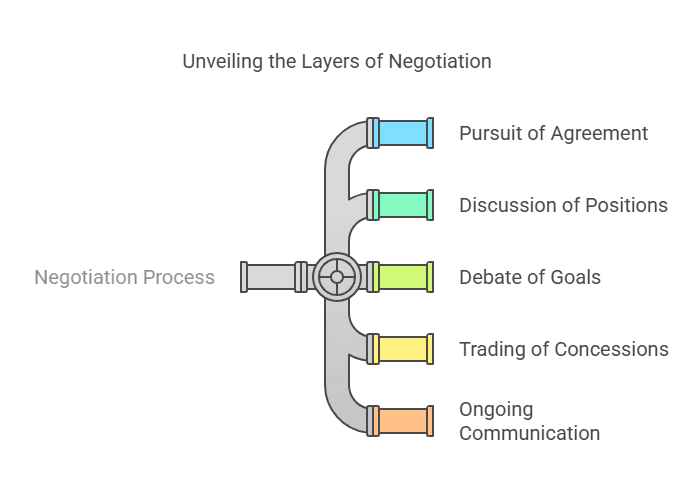
Negotiations as a dialogue between parties that may lead to an agreement
Negotiation is a dynamic dialogue between parties that may or may not lead to an agreement. It balances both psychology and strategy, with psychology playing a dominant role in personal negotiations and an equal role in business contexts. Understanding your counterpart as a person, not an object, is essential for successful outcomes.
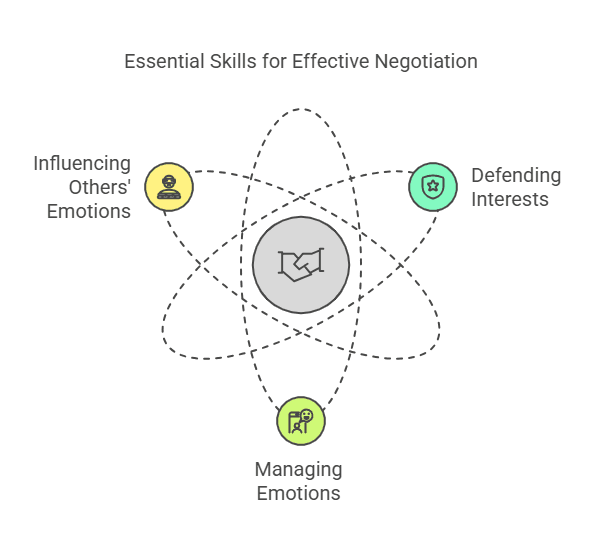
Key skills for negotiators include defending their own interests, managing their emotions, and influencing the emotions of others. Misjudging a counterpart's intentions, such as assuming interest solely from their willingness to negotiate, is a common mistake.
Fred Charles Iklé identifies several negotiation types, each with distinct motives:
Extending existing agreements.
Normalizing relations post-conflict.
Redistributing benefits or resources.
Establishing new agreements.
Gathering information without a formal agreement.
Misleading the opponent by feigning negotiation.
Provoking or highlighting the other party’s inability to negotiate.
The negotiator’s primary task is to discern the opponent's motives and type of negotiation to craft an effective strategy and respond appropriately.
WHO IS STRONGER IN NEGOTIATIONS – THE LION OR THE FOX?
The negotiator’s primary task is to discern the opponent's motives and type of negotiation to craft an effective strategy and respond appropriately.